We pick one source
Not the whole drive. One folder your team already opens when somebody needs an answer: the policy doc, the pricing sheet, the project log. Narrow is the point. A connection you can check beats an index of everything you cannot.
Thursday at 2:00 PM ET, live. Ask an AI tool a real question about your business and it will usually guess. Not because the tool is bad. Because it cannot see the answer. We connect one shared folder on screen, ask the same question again, and read both answers side by side. Same tool, same question, and the second one comes back with a page number.
Free. One live build, no slide deck. The replay goes to everyone who registers, live or not.
Thirty minutes, and you see the whole connection made. Whether your files sit in SharePoint, Google Drive, Dropbox or a server in the back office, the move is the same, and it is the step most companies skip before deciding AI does not work for them. Bring whoever keeps the files if you can. They usually have the sharpest questions.
The session is running. Join below.
Ask an AI tool a real question about your business and it will usually guess.
Not because the tool is bad. Because it cannot see the answer.
Your subcontract standards are a PDF somebody saved in 2024. Your pricing sheet is in a folder three people have a copy of. Your project log is a spreadsheet that gets updated on Fridays, mostly.
The tool has none of it. So it answers from the general case, and the general case is not your contract.
That is the whole gap. Not model quality. Access.
Most companies never close it. So AI stays a chat window somebody opens twice a week instead of something the business actually runs on.
Closed properly, across a whole business, this compounds into real money. One 90-employee manufacturer, name withheld, reported roughly $620,000 a year in labor efficiency once their data was structured company-wide. That is the full-picture number, built over months across the whole operation, and it is not what connecting one folder produces in thirty minutes.
What thirty minutes gets you is the first source connected correctly, and the method for every one after it.

Not the whole drive. One folder your team already opens when somebody needs an answer: the policy doc, the pricing sheet, the project log. Narrow is the point. A connection you can check beats an index of everything you cannot.
Permissions, scope, what goes in and what deliberately stays out. You watch every step on screen, including the part where we decide the payroll folder is not invited. Nothing is edited out and nothing was wired up beforehand.
The same question we asked before it was connected. Then we read both answers next to each other and look at where the second one got it from. That source line is the whole difference between an answer and a guess, and it is the test you can run on any tool you already pay for.
Come with the name of one shared folder or document your team checks constantly for answers. A policy doc, a pricing sheet, a project log. Keep it next to you. The moves you watch are the moves you repeat on it.
No slides about data strategy. One real data source connected on screen, in half an hour.
Most AI projects stall in the same place.
Somebody runs a pilot, the answers come back vague, and everyone concludes the tool is not ready yet.
The tool was fine. It was working blind.
So that is what we fix, in the order you would do it yourself.
Come with the name of one shared folder or document your team checks constantly for answers. A policy doc, a pricing sheet, a project log.
Anyone who has tried an AI tool and found the answers generic. You asked it something specific about your own business and got a paragraph that could have been about anybody. This is the reason, and it is fixable in an afternoon.
Whoever keeps the files. Your office manager, your project coordinator, the person who actually knows where the current version lives. If you know who that is, bring them. They will recognize the problem before the first answer comes back.
Anyone who has not started. This is the step before the rest is worth doing. Connecting one source first is cheaper than three pilots that all answer from nothing.
What it costs you
Thirty minutes at lunchtime, and nothing else. It is free, and the replay goes to everyone who registers, live or not.
Chris runs Chief AI Officer, a fractional Chief AI Officer practice working with privately held construction, manufacturing, and real estate companies.
He spends most of his week inside businesses where the answer somebody needs is already written down, in a folder, on a server, and nothing they have bought can see it.
Thirty minutes, one live build, and you see exactly how the connection gets made.
Bring whoever keeps the files if you can. They already know which folder the team actually opens, and which one is three versions out of date.
Everything above goes out whether you make it live or not. Registering is the only thing that has to happen today.
Nothing is sold during the session. The last two minutes point to one next step, if you want it. That is the whole pitch.
Thirty minutes, free, one live build, nothing sold. Worst case, you spend half an hour and leave knowing why the answers you have been getting are so vague.
Save your seatYou've landed on a session that already ran: we connected one shared folder live, then asked the same question twice, once without it and once with it. Lunch & Launch runs every few weeks. Next up: The Number Your CFO Signs Off On: Build an AI ROI Scorecard Live, on Thursday, November 19. Put your name down and the registration link comes to you the day it opens.
Lunch & Launch isn't a webinar in the usual sense. There's no deck.
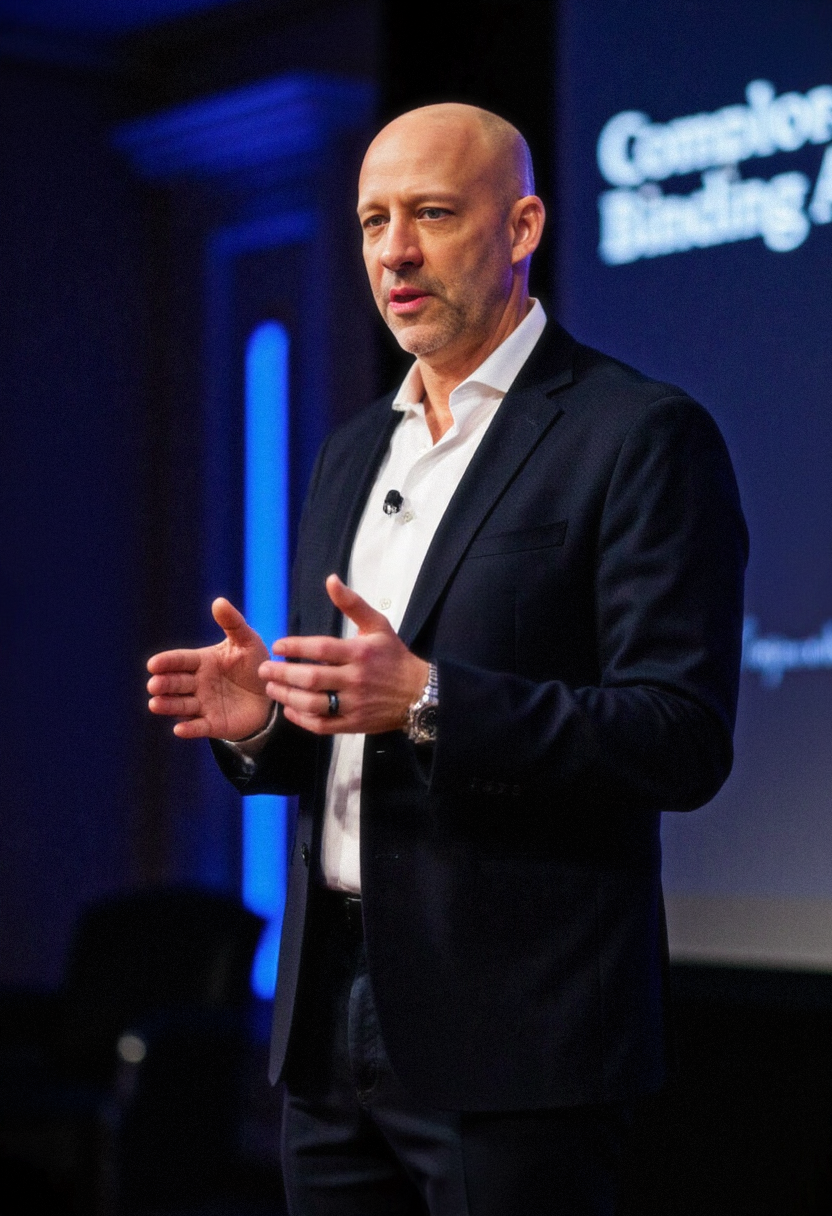
Chris builds one thing on screen, live, and you leave with it. Half an hour, start to finish.
You leave with something you can put in front of your team the same afternoon.
It runs at lunchtime because that's the only thirty minutes most owners can actually protect.
Chris builds it on screen while you follow along with your own. You can ask a question about your own business and get it answered in the session.
Not notes. Not a summary emailed later. Whatever got built, a connected data source, an ROI scorecard, a working agent, in a form you can use the same day.
The topic changes. The format doesn't. Thirty minutes, one thing built, and the replay to everyone who registers, live or not.
The next session is Thursday, November 19. Put your name down and the registration link comes to you the day it opens.
Chris runs Chief AI Officer, a fractional Chief AI Officer practice working with privately held construction, manufacturing, and real estate companies.
He spends most of his week inside businesses where the answer somebody needs is already written down, in a folder, on a server, and nothing they have bought can see it.
Each Lunch & Launch takes one piece of that and closes it in half an hour.
The next Lunch & Launch is The Number Your CFO Signs Off On: Build an AI ROI Scorecard Live, on Thursday, November 19. You'll get one email with the registration link as soon as it opens, and you can decide then.
Nothing to attend today. This just makes sure the link reaches you instead of sitting in a calendar you never see.